How to Prevent Ingrown Hairs and Breakouts After Waxing: Causes & Aftercare Guide
If you’re chronically online like I am, you’ve probably seen a million posts and TikToks about waxing aftercare by now.
Here’s another breakdown—but this time focused on what actually matters: preventing ingrown hairs and breakouts. Let’s go.
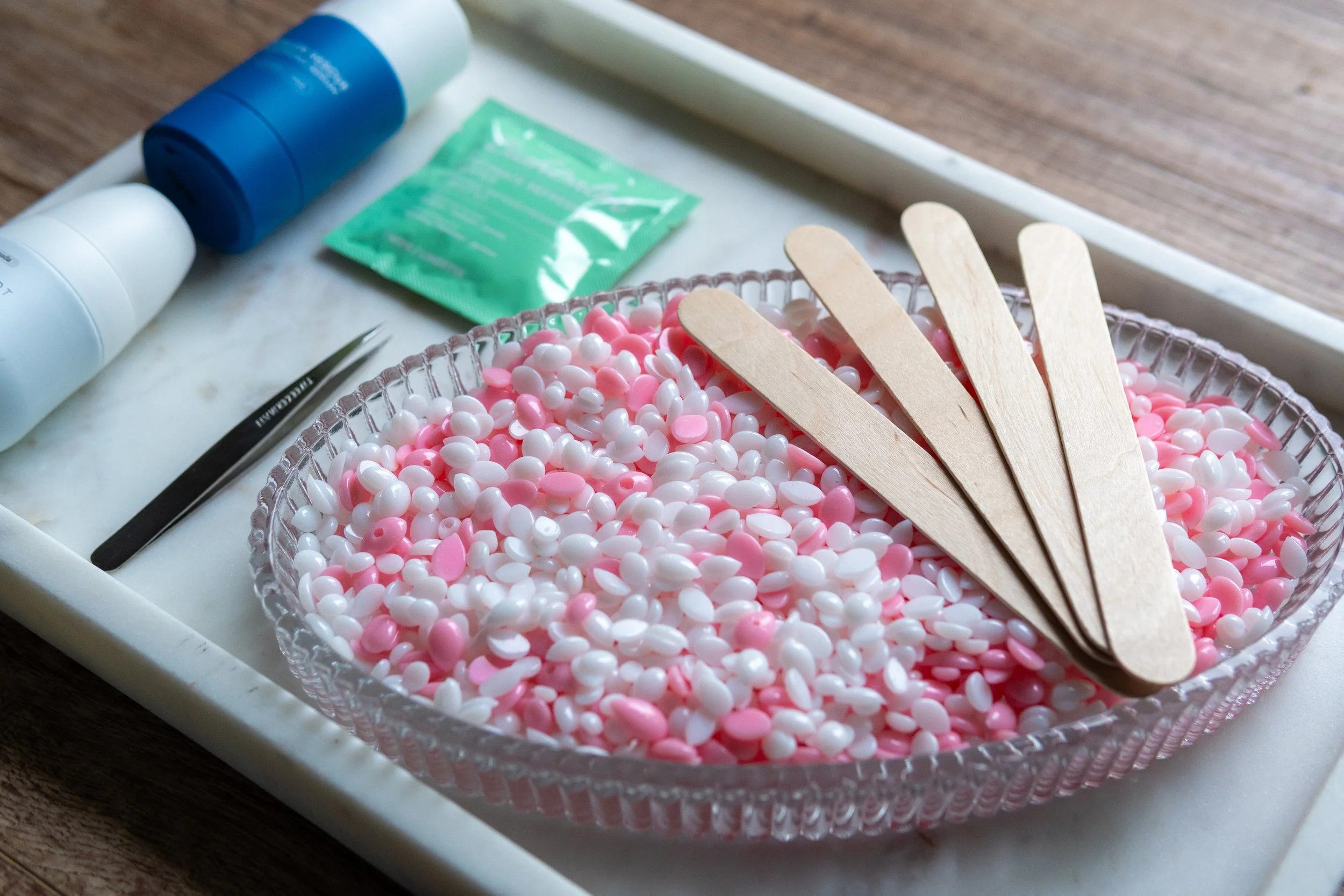
Why breakouts & ingrown hairs happen after waxing…
Waxing removes hair from the root while also lightly exfoliating the skin.
After your appointment, your skin is smooth—but as it naturally renews, dead skin can build up on the surface. This can block the follicle and trap new hair growth underneath.
When hair can’t grow out properly, it can:
• stay trapped under the skin (ingrown hair)
• become inflamed
• turn into breakouts when bacteria is involved
Areas more prone to ingrown hairs and breakouts
Some areas of the body are naturally more reactive after waxing due to sweat, friction, and how the skin behaves in those zones:
• Back
Often experiences breakouts after waxing due to sweat, clothing, and buildup of bacteria in the follicles.
• Chest
More prone to congestion and small breakouts because of oil production and friction from clothing.
• Bikini / Brazilian area & Underarms
Sensitive skin + warmth + friction can increase the likelihood of both ingrowns and irritation.
These reactions are very common and don’t mean anything is wrong—they just mean these areas need more consistent aftercare.
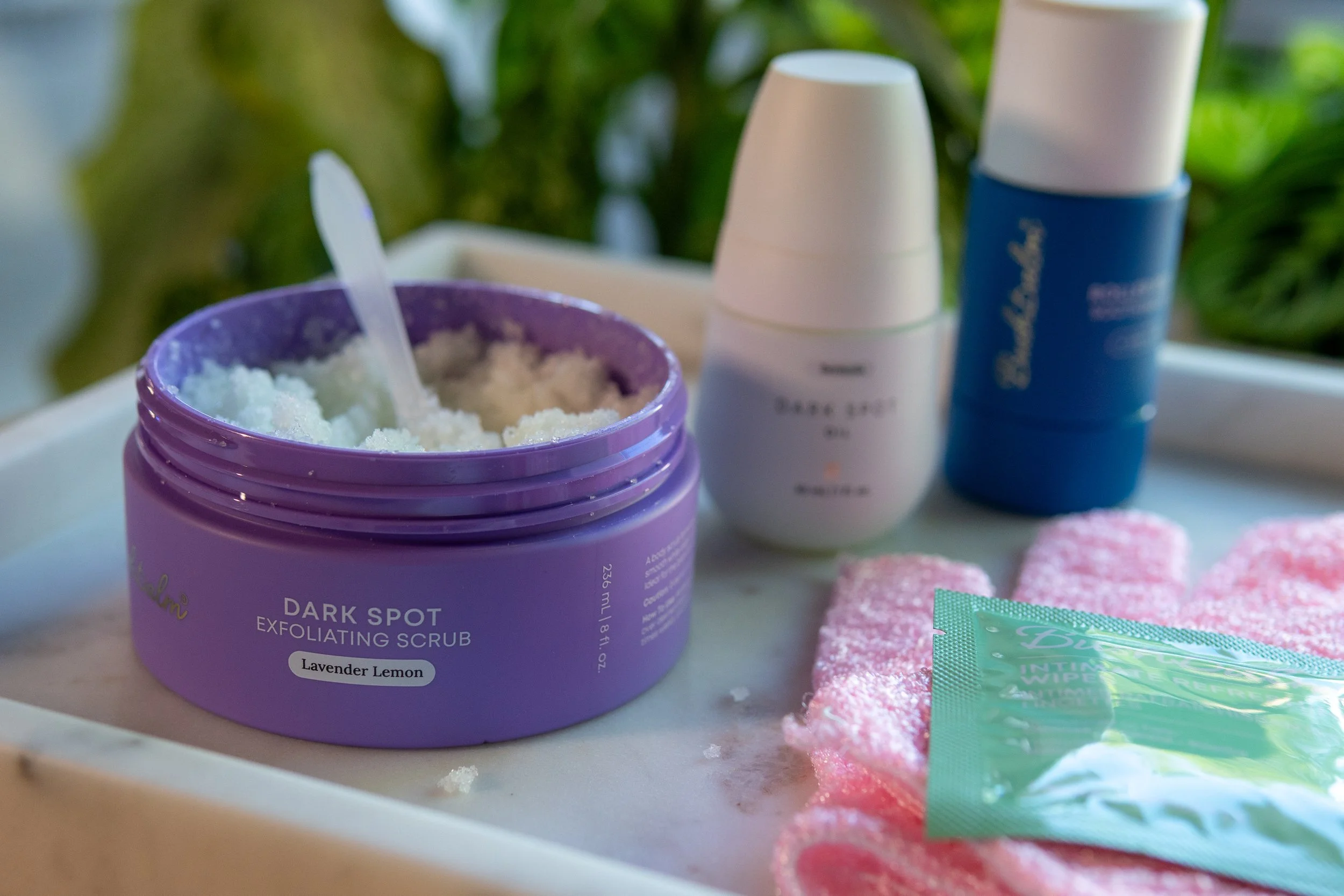
How to Prevent Breakouts & Ingrown Hairs…
Preventing breakouts/ingrowns after waxing comes down to a few simple, consistent habits:
1. Exfoliate consistently
Exfoliation removes dead skin that can trap hair under the surface.
• Start about 3 days after waxing
• Exfoliate 2–3x per week
• Adjust based on skin sensitivity and needs
Manual exfoliation (body areas):
• Exfoliating gloves or cloths
• Scrubs (fragrance-free if you’re sensitive)
Chemical exfoliation (for congestion, ingrowns or pigmentation):
• Salicylic acid (BHA) - helps clear congestion inside the follicle and has antibacterial properties to reduce breakouts.
• Glycolic acid (AHA) - exfoliates and refines uneven texture
2. Keep the skin hydrated and balanced
Hydration supports the skin barrier and helps the skin recover after waxing.
When skin is dry, it can feel tight and less flexible. Keeping it hydrated and moisturized helps maintain comfort and allows hair to grow out more easily.
• Use a lightweight lotion or gel daily
• Keep the skin soft, not dry or tight
3. Avoid irritation after waxing
Freshly waxed skin is more sensitive and more prone to irritation.
Avoid for 24–48 hours:
• Tight clothing (opt for loose, breathable fabrics)
• Excessive sweating or intense workouts
• Friction, including sex
Sweat and friction can trap bacteria in freshly opened follicles, increasing the risk of breakouts or inflamed ingrowns.
4. Stay consistent between appointments
Ingrown prevention isn’t about doing more—it’s about doing the right things consistently.
• Stick to a simple routine
• Don’t wait until ingrowns appear to start exfoliating or caring for your skin
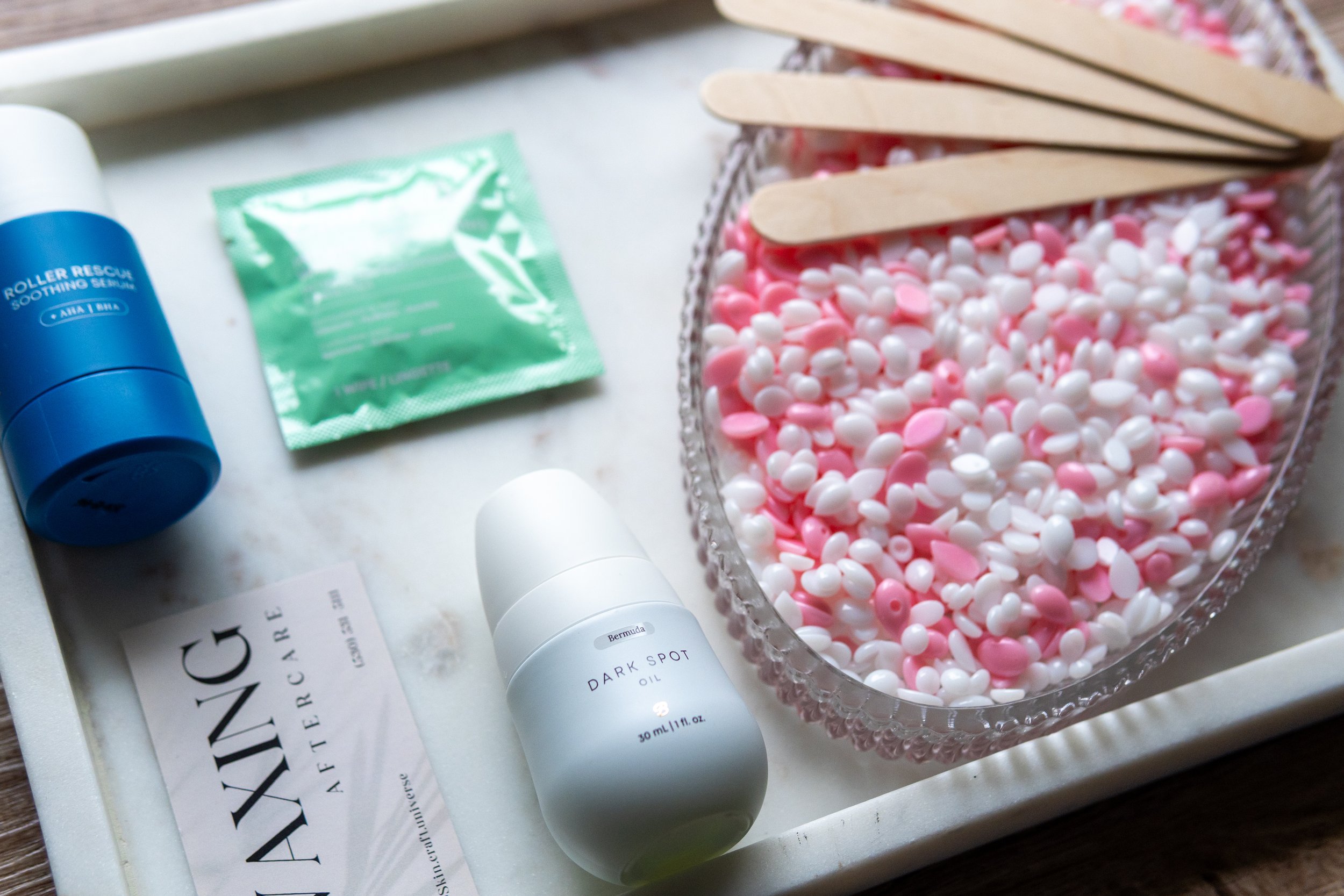
Dealing with stubborn breakouts even after doing everything “right”?
Some skin types are simply more prone to them due to factors like oil production, inflammation levels, and how the follicles respond to waxing.
Skin is living and constantly changing—so breakouts can still happen even with a consistent routine.
While these steps are designed to significantly reduce your chances of ingrowns and breakouts, no routine can guarantee they will never happen.The goal is to support the skin as much as possible and create the best environment for smooth, balanced results between appointments.
Shop my recommendations
Want to keep things simple? I’ve put together my go-to products for post-wax care!
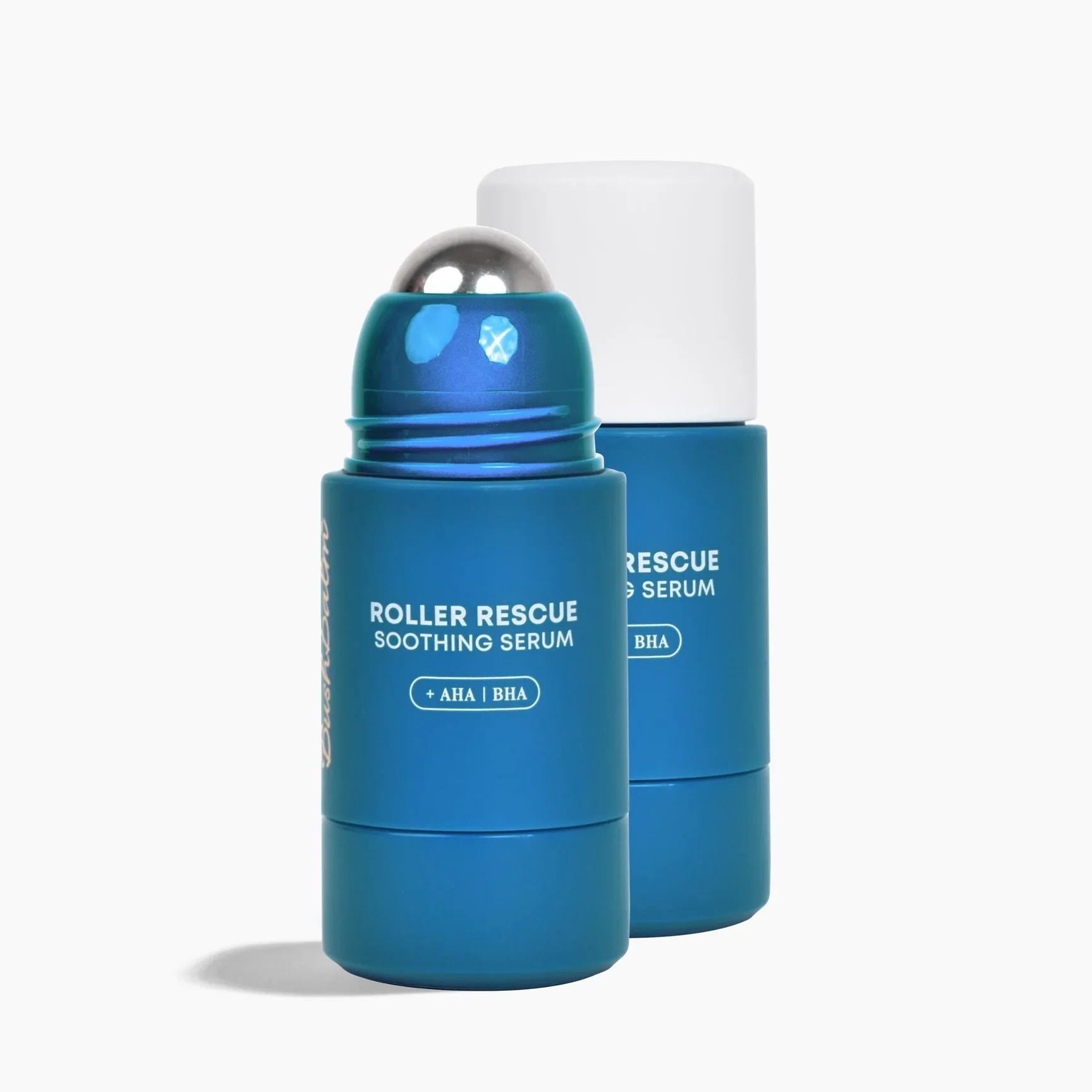
Get smooth from every angle with our first-ever chemical exfoliant, Roller Rescue!
Formulated with AHA/BHA, this lightweight serum gently smooths rough texture, helps visibly clear pores and improves the look of redness after hair removal.
Paired with an easy-to-use stainless steel rollerball applicator for a soothing and cooling effect.
